
Bed bugs are one of the most persistent household pests, and once they invade your property, they can quickly become a major source of stress and discomfort. Unlike many insects that are attracted to dirt or poor hygiene, bed bugs are attracted to people because they feed exclusively on blood. This means even the cleanest homes, hotels, apartments, and offices can become infested. They hide in mattresses, bed frames, sofas, wardrobes, skirting boards, carpets, curtains, and even electrical sockets, making them extremely difficult to eliminate without professional knowledge and equipment. Many homeowners attempt to solve the problem using DIY sprays or home remedies, only to discover weeks later that the infestation has returned stronger than before. Understanding how bed bugs survive and spread is the first step towards removing them permanently.
At BedBug Treatment Leeds, we help homeowners and businesses throughout Leeds eliminate bed bug infestations using proven treatment methods that target every stage of the insect’s life cycle. Simply killing visible insects is never enough because eggs hidden deep inside furniture or wall cracks continue to hatch after treatment. Long-term success requires a complete inspection, professional treatment, and preventative measures to stop reinfestation. Whether you require a Bed Bug Inspection, Heat Treatment, or Residential Bed Bug Treatment, understanding the correct approach can save you considerable time, money, and frustration. This guide explains the essential steps needed to permanently remove bed bugs from your property and keep them from returning.
1. Understand Where Bed Bugs Hide
One of the biggest reasons bed bug infestations continue to grow is because people underestimate how many places these insects can hide. While mattresses are their most common hiding place, bed bugs rarely remain there once their population increases. They spread into headboards, bedside cabinets, upholstered chairs, sofas, wardrobes, carpets, curtain folds, picture frames, cracks in walls, skirting boards, and electrical sockets. Their flat bodies allow them to squeeze into tiny spaces only a few millimetres wide, making them almost invisible during the day. Because they only come out at night to feed, homeowners often believe the infestation is much smaller than it actually is.
Professional technicians know exactly where bed bugs prefer to hide and use specialist inspection techniques to locate even the smallest infestations. At BedBug Treatment Leeds, every Bed Bug Inspection involves a systematic examination of all likely hiding places rather than simply checking the mattress. Identifying every harbourage is essential because missing just one area allows surviving insects to continue breeding. Comprehensive inspections form the foundation of successful treatment and significantly improve the chances of complete eradication.
A thorough inspection also helps determine how severe the infestation has become. In minor cases, bed bugs may be confined to a single bedroom, while larger infestations often spread throughout multiple rooms or neighbouring properties. Understanding the extent of the problem enables technicians to recommend the most appropriate treatment plan, whether that involves Heat Treatment, Chemical Bed Bug Treatment, or a combination of both.
2. Avoid Common DIY Mistakes
Many homeowners immediately purchase aerosol sprays or smoke bombs after discovering bed bugs, believing these products will solve the problem quickly. Unfortunately, most over-the-counter products only kill insects that come into direct contact with the chemical. Hidden bed bugs, eggs, and insects concealed deep within furniture remain unaffected. Even worse, incorrect use of DIY products often forces bed bugs to relocate into new hiding places, making professional treatment more complicated later.
Home remedies such as essential oils, baking soda, vinegar, alcohol sprays, or ultrasonic devices are frequently promoted online despite having little evidence of long-term effectiveness. While these methods may appear inexpensive, they usually delay proper treatment and allow the infestation to grow. During this time, female bed bugs continue laying eggs, increasing the population significantly within only a few weeks.
Professional Chemical Bed Bug Treatment uses commercial-grade products that are applied strategically to known harbourages rather than randomly spraying surfaces. Experienced technicians understand bed bug behaviour and know where treatments will achieve the greatest results. Combined with professional monitoring and follow-up inspections, this approach delivers significantly higher success rates than household products available in supermarkets.
3. Choose the Right Professional Treatment
Not every bed bug infestation requires exactly the same treatment. The age of the infestation, property size, furniture layout, and level of activity all influence which treatment method will be most effective. Modern pest control companies typically use either Heat Treatment, Chemical Bed Bug Treatment, or a carefully planned combination of both techniques depending on individual circumstances.
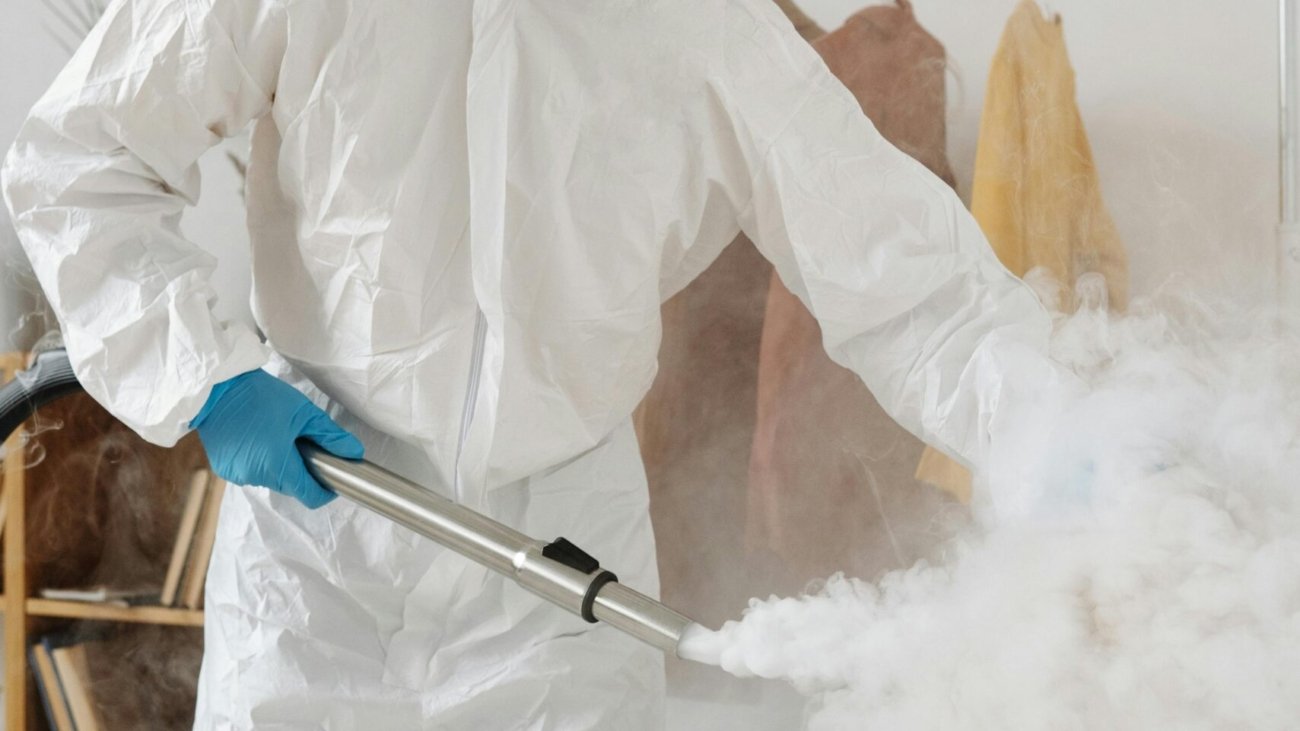
Heat treatment has become increasingly popular because it kills bed bugs and their eggs using carefully controlled temperatures. Since bed bugs cannot survive prolonged exposure to high temperatures, heat penetrates mattresses, furniture, cracks, and wall voids where insects hide. One major advantage is that heat reaches places where chemical products may be difficult to apply safely, making it extremely effective for severe infestations.
Chemical treatments remain highly effective when applied correctly by trained professionals. Instead of relying on general household sprays, technicians use professional formulations designed specifically for bed bug control. These products continue working after application, helping eliminate insects that emerge from hiding over the following days. At BedBug Treatment Leeds, we assess every property individually before recommending the treatment that offers the highest chance of complete eradication while ensuring the safety of occupants and pets.
4. Prevent Bed Bugs from Returning
Successfully removing bed bugs is only part of the solution. Preventing another infestation is equally important, particularly if you travel frequently or manage rental accommodation. Bed bugs commonly enter homes through luggage, second-hand furniture, clothing, hotel stays, or visitors unknowingly carrying insects on personal belongings. Regular inspections and preventative habits greatly reduce the likelihood of future problems.
When returning from holidays, inspect luggage carefully before bringing it inside. Wash clothing using high temperatures where appropriate and vacuum suitcases thoroughly. Avoid bringing second-hand mattresses or upholstered furniture into your home without carefully inspecting them first. Hotels, landlords, student accommodation providers, and letting agents should arrange periodic inspections because high occupancy increases the risk of bed bug introductions.
Our Bed Bug Prevention service provides practical advice tailored to each customer’s property. We help clients recognise early warning signs, identify high-risk areas, and implement preventative measures that significantly reduce future infestations. Prevention is always less expensive and less disruptive than dealing with a widespread outbreak after it has become established.
5. Schedule Follow-Up Inspections
One of the most important stages of successful bed bug control occurs after the initial treatment has been completed. Even when treatment has been highly effective, technicians often recommend Follow-Up Treatments to confirm that every insect and egg has been eliminated. This is especially important in larger infestations where eggs may hatch after the initial visit or where insects were hiding in difficult-to-access locations.
Follow-up inspections provide reassurance that treatment has worked exactly as intended. Technicians carefully examine previously affected areas, monitor for any remaining activity, and apply additional treatment if required. This proactive approach dramatically reduces the likelihood of recurring infestations and provides homeowners with complete confidence that the problem has been resolved permanently.
Landlords, hotels, care homes, and businesses also benefit from ongoing monitoring because early detection prevents isolated introductions from developing into costly infestations. At BedBug Treatment Leeds, our Follow-Up Treatments are designed to provide long-term protection rather than simply addressing immediate symptoms. Combined with preventative advice, this comprehensive approach delivers lasting results that protect both your property and your peace of mind.
Conclusion
Permanently eliminating bed bugs requires much more than spraying visible insects or replacing your mattress. Successful treatment begins with identifying every hiding place, selecting the correct treatment method, and following up with preventative measures that stop the infestation from returning. DIY products may appear convenient, but they rarely address the hidden eggs and insects responsible for recurring outbreaks. Investing in professional pest control ensures the entire infestation is treated correctly from the beginning, saving both time and money in the long run.
If you’re struggling with bed bugs, BedBug Treatment Leeds is here to help. Our experienced technicians provide professional Bed Bug Inspection, Heat Treatment, Chemical Bed Bug Treatment, and Follow-Up Treatments for homes and businesses throughout Leeds. Contact us today to arrange a thorough inspection and take the first step towards a permanently bed bug-free property.